Source LCR Measurement Digital Bridge Tester for Electronics Testing
Compare 30 LCR measurement digital bridge tester options from verified suppliers. These devices support capacitance, inductance, and resistance testing with features like digital displays and automatic short-circuit protection for industrial quality control; compare the available evidence and request quotations based on your requirements.
Key considerations
Products List


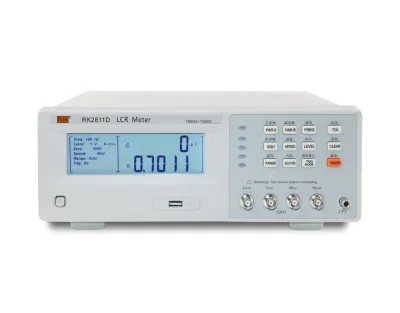


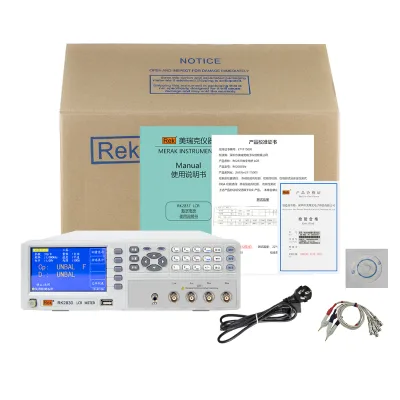
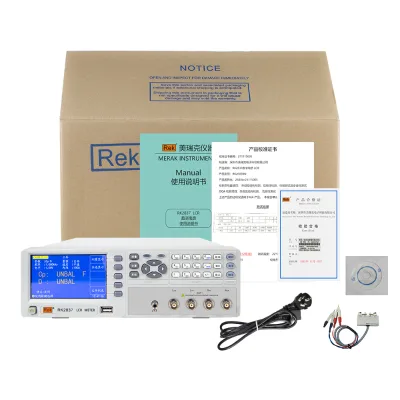
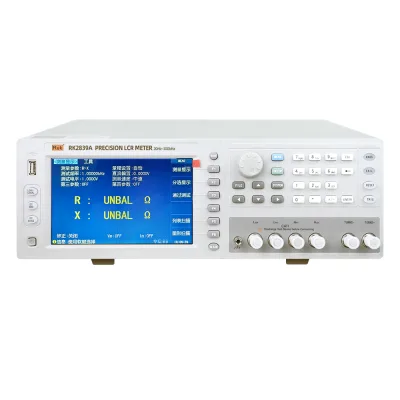
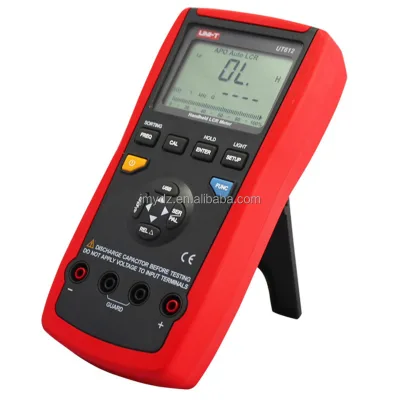
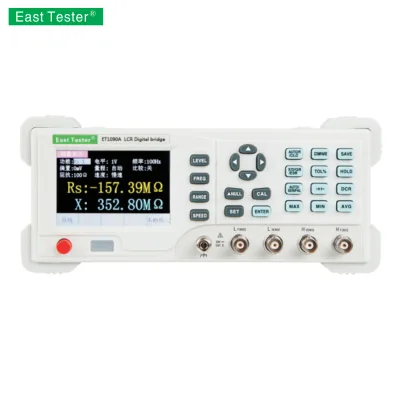
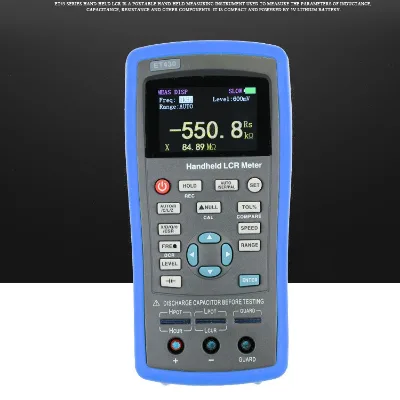


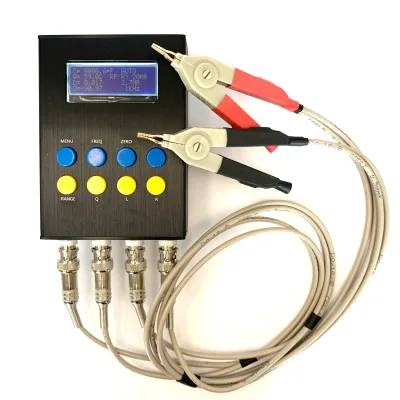


Comprehensive Sourcing Guide
LCR Measurement Digital Bridge Tester Sourcing Guide
Procurement professionals must first distinguish between general fault detection tools and specialized LCR digital bridges designed for precise component characterization. The observed market listings indicate a specific product category where the primary function is capacitance measurement within a defined range of 0.1UF to 3300UF. Buyers should verify that the selected unit offers the necessary resolution of 0.001UF to ensure accurate readings for high-precision electronic assembly lines.
The commercial landscape for these devices often presents a wide variance in pricing, ranging from entry-level units to high-end industrial models. While some listings suggest a minimum order quantity of just one unit, the physical specifications vary significantly, with weights ranging from 2kg to over 13kg depending on the model. Sourcing teams must align their budget with the specific dimensional requirements, as host dimensions can extend up to 400mm in length, necessitating adequate workspace planning.
Product Scope and Observed Listing Signals
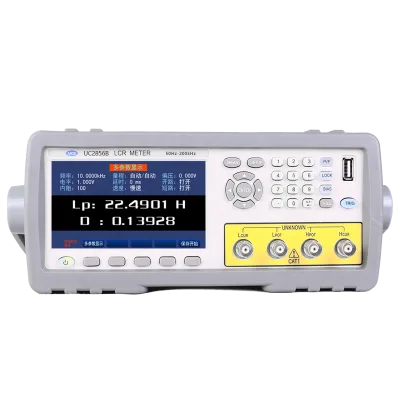
Buyers should scrutinize the specific model identifiers to ensure the device matches their technical needs, as listings frequently cite models like LCR01 or HTDR-H with distinct feature sets. The observed data highlights features such as "digital lcr bridge" and "desktop high precision lcr bridge," which signal a focus on benchtop applications rather than handheld field testing. It is critical to confirm whether the unit supports the "lcr bridge" functionality required for inductance and resistance measurements alongside the primary capacitance capabilities.
The physical form factor and packaging details provide essential clues regarding the intended deployment environment. Many units are shipped in wooden cases or cartons with specific single package sizes, such as 35x18x49 cm, which impacts logistics and storage planning. Procurement teams must verify if the "Easy Operation" attribute is sufficient for their operator skill level or if the "Professional LCR inspection" features require more specialized training to utilize effectively.
Technical Specifications to Verify
Technical validation requires a close examination of the electrical output parameters, specifically the open circuit voltage and maximum output current capabilities. The observed specifications list an output voltage of AC 23V at 50Hz for capacitance testing and a maximum output current of 20A, which are critical for determining compatibility with the components under test. Buyers must ensure these electrical limits align with the safety and performance requirements of their specific production processes to avoid equipment damage.
Accuracy and resolution metrics are paramount when selecting a tester for quality control environments. The observed accuracy formula of plus-minus (Reading × 1% + 0.005UF) defines the precision envelope, while a resolution of 0.001UF allows for the detection of minute variations in component values. Sourcing teams should verify that the "Digital" display and "Cleared, Storage" functions meet the data logging requirements of their quality assurance protocols before finalizing a purchase.
Compliance and Safety Documentation
Regulatory compliance is a non-negotiable aspect of sourcing industrial testing equipment, with certifications such as ISO, GS, RoHS, and CE being standard expectations for these devices. Buyers must request and verify current certification documents to ensure the product meets international safety and environmental standards, particularly for markets with strict regulatory frameworks. The presence of these certifications indicates that the manufacturer adheres to recognized quality management systems and hazardous substance restrictions.
Safety features embedded in the hardware design are equally important for protecting both the operator and the equipment. The observed listings mention "Output Short Circuit Protection" as an automatic function, which is a vital safeguard against accidental damage during testing. Procurement professionals should confirm that the power source range of AC 85V-265V is compatible with local electrical infrastructure and that the "Direct Connected" installation method does not require complex auxiliary safety systems.
Cost Drivers and Commercial Terms
Pricing for LCR digital bridges is influenced by the complexity of the internal circuitry and the precision of the measurement capabilities. The observed price range of 45 to 7339 USD reflects the disparity between basic models and high-precision industrial units with advanced features like "Internet" update methods. Buyers should analyze the total cost of ownership, considering that higher-priced units often include more robust warranty terms and better long-term reliability.
Commercial terms and payment structures vary significantly among suppliers, with options including T/T, Western Union, and PayPal. The minimum order quantity is frequently listed as one unit, offering flexibility for small-scale procurement or pilot testing. However, sourcing teams must clarify if the "Customized" support and OEM capabilities incur additional costs or if the "Single item" selling unit structure applies to all configurations.
Supplier Qualification and Quality Control
Supplier qualification should focus on the manufacturer's ability to provide consistent quality and after-sales support, as evidenced by the "1year" warranty period observed in many listings. Buyers must verify the supplier's location, with Guangdong, China being a common origin point, and assess their capacity to handle "Customized" requests such as specific packaging or branding. A reliable supplier should demonstrate a track record of meeting the "Standard" product requirements without compromising on build quality.
Quality control processes must be validated through the supplier's adherence to production standards and their ability to maintain consistency across batches. The "Standard" classification of the product suggests a baseline of quality, but buyers should request detailed inspection reports to confirm that each unit meets the specified accuracy and resolution. Ensuring that the "Professional LCR inspection" features are fully functional upon delivery is essential for maintaining high standards in the final product assembly.
Long-Term Procurement Checks
Sustainability and future-proofing are critical considerations when investing in measurement equipment that may remain in service for several years. The "by Internet" update method indicates that the device can receive firmware upgrades, which is a significant advantage for maintaining compatibility with evolving industry standards. Procurement teams should verify the availability of long-term software support and the ease of applying updates to ensure the equipment remains relevant.
Maintenance and operational continuity depend on the availability of spare parts and the clarity of the installation instructions. The "Direct Connected" installation method simplifies setup, but buyers should confirm the availability of technical documentation for troubleshooting and routine maintenance. Establishing a relationship with a supplier who offers "Customized" support ensures that any future operational changes or specific requirements can be addressed efficiently without disrupting production schedules.
FAQs
What certifications do the LCR digital bridge testers have?
The LCR digital bridge testers carry ISO, GS, RoHS, and CE certifications. These standards ensure the equipment meets international safety and quality requirements for industrial use. Buyers can verify these documents before placing orders to confirm compliance with local regulations.
Can I customize the LCR measurement digital bridge tester?
Yes, customization is available for the LCR measurement digital bridge tester. The product supports OEM services and allows for specific packaging options like wooden cases or cartons. Buyers should contact suppliers directly to discuss specific customization needs and requirements.
How is the LCR digital bridge tester updated?
The LCR digital bridge tester can be updated by Internet. This feature allows users to keep the device software current without manual intervention. It ensures the equipment maintains high precision and compatibility with modern testing standards over time.
What is the minimum order quantity for this tester?
The minimum order quantity for this tester is one unit. This low MOQ allows buyers to purchase single items for testing or small-scale deployment. It provides flexibility for businesses that do not require large initial inventory volumes.
Which payment methods are accepted for the LCR bridge?
Accepted payment methods include T/T, Western Union, and Paypal. These options provide secure and flexible transaction channels for international buyers. Suppliers typically require payment confirmation before processing the shipment of the equipment.
What is the accuracy of the capacitance measurement?
The accuracy of the capacitance measurement is plus or minus reading times one percent plus zero point zero zero five microfarads. This precision ensures reliable results for professional LCR inspection tasks. The resolution is set at zero point zero zero one microfarads for detailed readings.
How heavy is the LCR digital bridge tester unit?
The weight of the LCR digital bridge tester unit varies by model, with some weighing 2kg and others up to 13.1kg. The packaging weight can reach 10kg depending on the specific configuration. Buyers should check the specific model details for exact shipping weight requirements.
Where is the LCR measurement digital bridge tester manufactured?
The LCR measurement digital bridge tester is manufactured in Guangdong, China. The product origin is listed as China for all available models. This location indicates the supply chain base for the equipment and may influence lead times and shipping logistics.